

C-Channel Strut Support Systems for Rooftop Solar Installations in UAE: Thermal Expansion and Load Distribution Guide
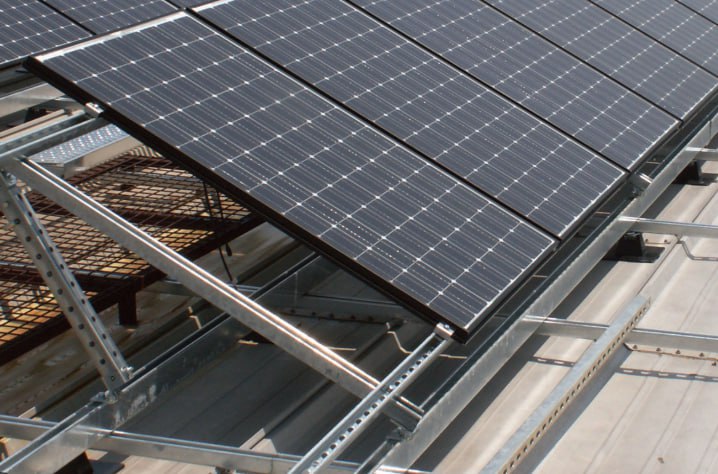
The United Arab Emirates continues to accelerate its transition toward renewable energy, with solar capacity expanding across commercial, industrial, and utility-scale rooftops. As rooftop installations increase in scale and density, structural integrity becomes a defining factor in long-term performance. At Bonn Gulf, we approach solar mounting not merely as a support function, but as an engineered structural solution, integrating structural steel systems such as C channel galvanized steel to ensure durability under extreme environmental exposure. C-channel strut systems form a critical backbone in this framework, particularly under the demanding thermal and wind conditions unique to the region.
This article outlines the engineering principles behind C-channel strut systems, focusing specifically on thermal expansion and load distribution in UAE rooftop solar applications.
1. Structural Role Of C-Channel Strut Support Systems In Solar Installations
Strut channels, particularly C-channel configurations, are widely used as modular structural members for solar panel racking. Their C-shaped profile, inward-turned lips, and standardized fastening interfaces allow high adaptability without welding or on-site fabrication.
In rooftop solar systems, C-channels typically function as:
- Primary longitudinal rails supporting photovoltaic modules
- Cross members transferring loads to roof anchors
- Adjustable tilt support legs in flat-roof systems
- Structural interfaces between module clamps and foundation
Their cold-formed or hot-rolled steel construction ensures predictable mechanical properties and compatibility with standardized bolts, brackets, and expansion anchors.
From our engineering assessments across UAE commercial rooftops, properly selected C-channel systems reduce installation time by up to 25 percent compared to fully custom-fabricated steel frames while maintaining structural reliability.
2. Thermal Expansion In UAE Climate Conditions
One of the most underestimated variables in rooftop solar design is thermal expansion.
In the UAE, rooftop surface temperatures can exceed 70°C during peak summer. Steel strut channels exposed to direct solar radiation may experience temperature swings of 40 to 60°C between night and midday.
The coefficient of thermal expansion for carbon steel is approximately:
12 × 10⁻⁶ per °C
For a 6-meter C-channel rail subjected to a 50°C temperature variation:
ΔL = 6,000 mm × 12 × 10⁻⁶ × 50
ΔL ≈ 3.6 mm
While this expansion appears small, cumulative stresses across multiple interconnected members can result in:
- Bolt loosening
- Anchor fatigue
- Module misalignment
- Roof membrane stress
At Bonn Gulf, we design strut channel solar systems with controlled expansion allowances. This includes:
- Slotted hole connections
- Floating mid-clamp assemblies
- Segmented rail design rather than continuous rigid spans
- Thermal isolation pads at anchor interfaces
Without expansion planning, long-term serviceability risks increase significantly, especially in industrial roofs with lightweight decking systems.
3. Wind Load Distribution And Structural Stability
Wind loading remains the primary structural design driver for rooftop solar installations in the UAE.
According to regional wind speed parameters, structures must safely withstand wind pressures exceeding 120 km/h in many zones. For rooftop systems, uplift forces can exceed panel dead weight by a factor of three during peak gust events.
C-channel strut systems distribute loads through:
- Horizontal rails acting as bending members
- Cross beams transferring shear forces
- Vertical legs forming triangular load paths
- Anchoring systems transferring loads into concrete slabs
The triangular geometry created by front and rear legs in tilted systems enhances stability by converting uplift forces into compressive reactions.
In our structural simulations, increasing channel depth from 41 × 21 mm to 41 × 41 mm sections reduces mid-span deflection by approximately 35 to 45 percent under identical loading conditions. This significantly improves module alignment and long-term fatigue resistance.
We recommend section selection based on:
- Span length
- Panel weight
- Wind exposure classification
- Roof structural capacity
Not all rooftops are equal. Industrial warehouses with long purlin spacing demand different strut reinforcement strategies than reinforced concrete commercial roofs.
4. Anchoring Strategy And Load Transfer
The strut post base plays a decisive role in transferring structural loads into the foundation.
In rooftop solar systems, anchoring must resist:
- Vertical compression from panel weight
- Wind uplift
- Lateral shear forces
- Thermal movement stress
We specify mechanical expansion anchors or chemical anchors depending on slab thickness and structural condition. Improper anchoring remains one of the leading causes of long-term system failure.
From field inspections across UAE projects, we have observed that under-torqued anchors can reduce effective load capacity by up to 30 percent. Proper torque control and post-installation inspection are not optional steps. They are structural requirements.
5. Corrosion Resistance And Durability
UAE environments range from inland desert to coastal saline exposure. C-channel strut systems must therefore incorporate adequate corrosion protection.
Common surface treatments include:
- Hot-dip galvanization
- Pre-galvanized coatings
- Aluminum channel systems for lightweight applications
In coastal regions, galvanization thickness should exceed standard indoor ratings to maintain structural life beyond 20 years. Solar systems are long-term infrastructure investments, often integrated alongside structured cable management systems supplied by leading cable tray suppliers in UAE to ensure complete electrical and mechanical coordination. Mounting systems must match module life expectancy.
6. Practical Engineering Considerations For Designers And Contractors
Before finalizing a rooftop solar mounting design, consider:
- Have expansion joints been accounted for?
- Is the selected channel section adequate for wind uplift calculations?
- Are anchor pull-out tests conducted on-site?
- Does the roof membrane require protection or isolation pads?
- Is load distribution aligned with structural beam layout?
These questions define whether a solar mounting system remains stable for decades or requires costly retrofitting.
At Bonn Gulf, we approach C-channel strut support systems as engineered structural assemblies rather than generic framing components. Our design methodology integrates structural analysis, thermal modeling, and site-specific load evaluation to ensure long-term reliability.
C-channel strut support systems remain one of the most adaptable and structurally efficient solutions for rooftop solar installations in the UAE. However, performance depends on engineering precision. Thermal expansion management, accurate load distribution, proper section selection, and reliable anchoring collectively determine system integrity.
As solar capacity continues to expand across the region, mounting systems must evolve beyond basic installation frameworks. They must meet industrial performance standards that reflect the UAE’s climate, wind exposure, and infrastructure demands. At Bonn Gulf, we design with that responsibility in mind.